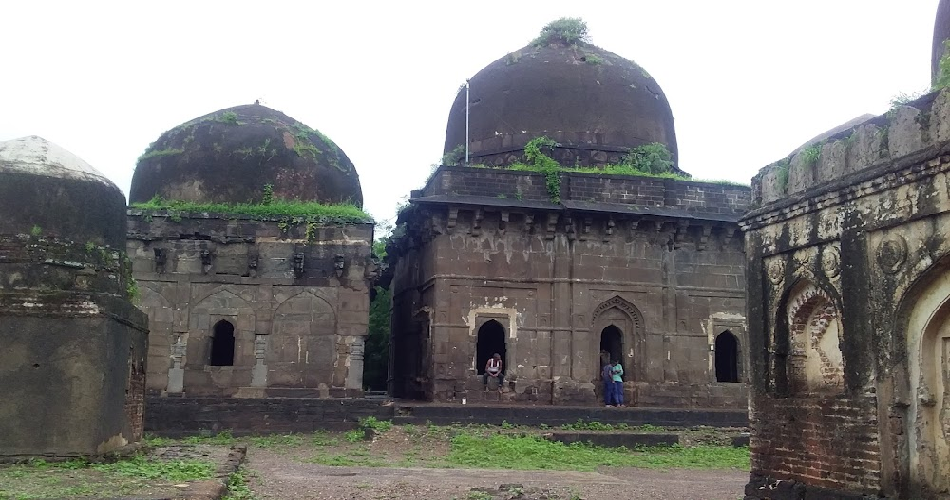
Here’s a suggested 3‑Day Travel Itinerary for visiting Dhule (Maharashtra), followed by a table listing popular places in and around Dhule, with estimated visit‑times and entry info (as far as available).
Day 1 — Historical & Cultural Tour Around City
- Morning: Visit Laling Fort — enjoy panoramic views of Dhule and explore the old ruins.
- Midday: Head to Rajwade Sanshodhan Mandal (local museum/research centre) to get a feel of the region’s history and heritage.
- Afternoon: Visit a prominent local temple or mandir in Dhule to experience the city’s culture.
- Evening: Walk alongside the river or explore city centre — relax, eat local food, soak in local ambiance.
Day 2 — Forts & Nearby Historical Villages
- Morning: Visit Songir Fort — a quick climb (fort is narrow strip) offering some history and views; explore surrounding village.
- Midday: Head to Bhamer Fort (or nearby fort‑ruin/temple region) for a blend of architecture, history, and adventure/trek.
- Afternoon: If time permits, visit Thalner Fort and village — a historical site with a rural vibe.
- Evening: Return to Dhule city — rest or stroll around local markets/neighborhood.
Day 3 — Nature / Relax / Nearby Scenic‑Spots or Sanctuary
- Morning: Visit Aner Dam Sanctuary (or nearest water-body / dam / nature spot) — enjoy nature, serene water‑views, and perhaps bird‑watching.
- Midday: Light picnic, local village visit, or explore countryside outskirts — soak in rural vibe and slower pace.
- Afternoon: If you enjoy walking or easy trekking, revisit one of the forts (or go to another nearby fort) for sunset/views.
- Evening: Wrap up — enjoy local food/culture, walk along river/market, prepare for return.
Why this plan works: It mixes history, culture, nature, and local flavour — giving a balanced feel of Dhule’s heritage (forts & old architecture), everyday city/village life, plus nature & relaxation.
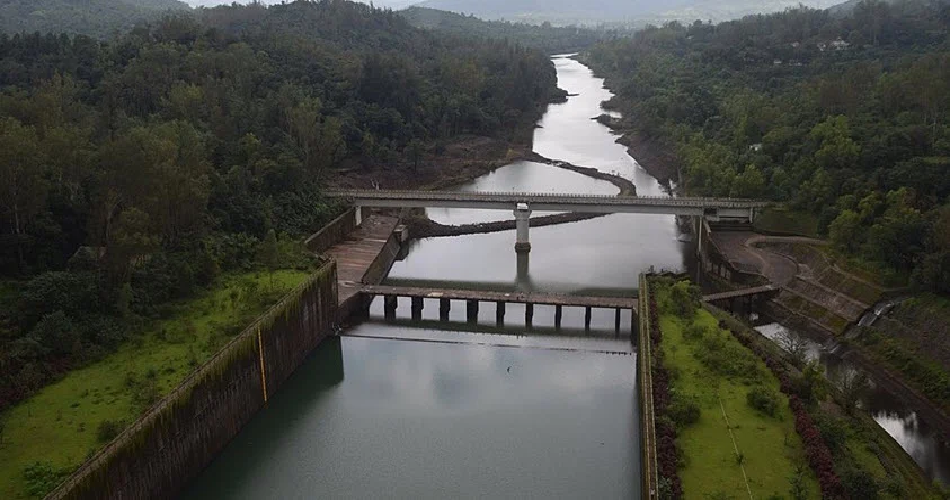
Table: Popular Places in/around Dhule
| Place Name | Popularity / What It’s Known For | Approx. Time to Spend (hrs) | Entry Fees / Notes* |
|---|---|---|---|
| Laling Fort | Historic fort on hill, panoramic views | ~2–3 hrs (incl. climb + exploring) | Generally free / nominal (no major official fee mentioned) |
| Rajwade Sanshodhan Mandal | Museum / research centre — heritage & regional history | ~1–2 hrs | Likely free or small local fee (not clearly specified) |
| Songir Fort (and Songir village) | Historic fort, village life, temples nearby | ~2 hrs | Usually free (ruins / heritage forts) |
| Bhamer Fort (or Bhamer area) | Fort/ruins, some trekking/architecture interest | ~2–3 hrs | No confirmed fees publicly listed |
| Thalner Fort & Village | Historic fort, old‑town/village ambiance | ~2 hrs (village + fort) | Likely free / local minimal charges |
| Aner Dam Sanctuary / Nearby Nature‑spots | Nature, water‑views, wildlife / relaxing spot | ~2–4 hrs or half‑day (depending what you do) | Entry / access details not standardized; often informal / free or small charge |
* Note on Fees & Timing: For many heritage / local forts and countryside/nature spots around Dhule — official entry fees are often not strictly documented (or are minimal). It’s good to carry small cash. Time spent can vary depending on your pace, interest in exploring ruins or surroundings, and whether you mix in village-walks or trekking.
Tips for Travel in Dhule
- Best season: Winter and post‑monsoon — climate is pleasant for forts & nature visits.
- Wear good footwear — forts often involve trekking / climbing.
- Carry water, light snacks — many forts / rural spots may not have facilities nearby.
- Respect local temples, villages — many old forts/villages have local communities; maintain decorum.
- If visiting dams or sanctuaries, check local access and water‑level / safety — especially during monsoon.