Here’s a detailed guide to Top 10 Foods to Try in Amravati — perfect for any tourist or first‑time visitor. I’ve included what the dish is, why it’s special in Amravati, and tips on when/where to try it.
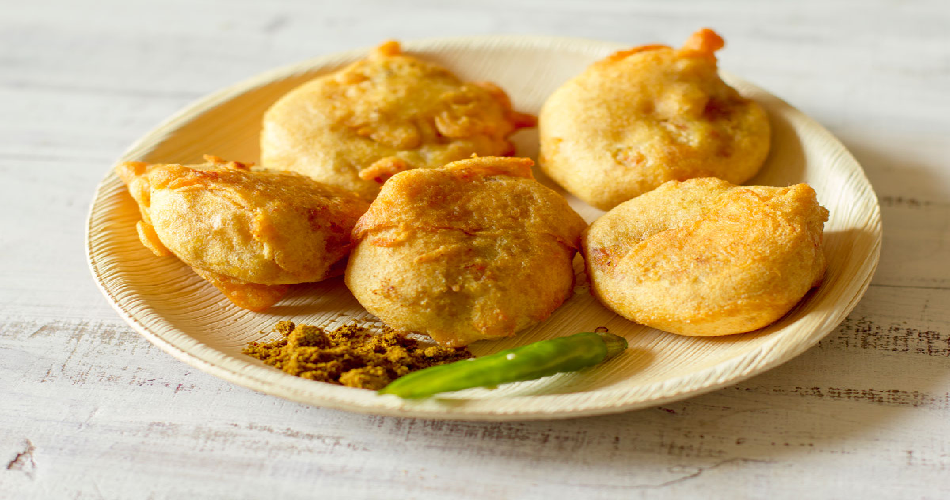
1. Batata Vada
- Mashed potato filling — spiced with typical Maharashtrian spices — coated in gram‑flour batter and deep‑fried; crispy outside, soft inside. Served hot, often with chutney.
- Loved by locals and visitors — simple yet satisfying snack; good as a quick bites between meals when exploring the city.
- Tip: Best with a hot chai (tea), especially in cool weather or monsoon — a classic Marathi street‑food vibe.
2. Amravati Misal Pav
- A spicy curry made with sprouted lentils (like moth / matki / other beans), topped with farsan or sev, onions, coriander — served with soft pav (bread).
- What makes it special in Amravati: the version here is known for bold flavours and generous spice — great for those who love hearty, tangy, spicy breakfasts or brunch.
- Tip: Try it early morning or mid‑day at a local “Misal point” or street eatery — it’s widely available and ideal to fuel up before sightseeing.
3. Gila Vada
- A special street‑food snack made from black gram (urad dal), deep‑fried and then soaked in water so that the vada becomes soft and spongy — hence “Gila” (meaning “wet/soft”).
- It’s unique to Amravati and reflects local street‑food culture — many stalls offer it with chutney or spicy accompaniments.
- Tip: Great for evening tea‑time or late‑night snack. Try it where locals queue — a real authentic experience.
4. Sambhar Vadi
- A savory snack/roll made from gram flour (and sometimes dry coconut, poppy seeds, spices etc.), shaped like Bhakar Vadi or roll — then fried or cooked, served with chutney.
- In Amravati, Sambhar Vadi (or “Sambarwadi”) enjoys local fame — a must for anyone exploring city’s snack scene.
- Tip: Excellent for a mid‑afternoon snack or quick bite while walking around old‑city lanes or markets.
5. Poha
- Flattened rice cooked with onions, mustard seeds, curry leaves, green chillies — often garnished with coriander, coconut, and lemon juice. Light yet flavourful — a common breakfast.
- In Amravati, Poha remains a simple, accessible breakfast ideal for early risers or travellers who want a comforting start before heading out.
- Tip: Pair with a hot tea or Mysore coffee and you have a classic start to a day of city‑hopping.
6. Sabudana Khichdi
- Made from tapioca pearls (sabudana), cooked with potatoes, peanuts, often cumin and spices — a favourite for breakfast or during fasting days.
- In Amravati, this dish is part of traditional food culture and accessible in many homes and eateries — a good option if you want light, vegetarian meal.
- Tip: Great for vegetarians or those looking for a simple, gluten‑free meal; often available in local vegetarian restaurants or street‑food stalls.
7. Puran Poli
- A traditional sweet flatbread made from wheat flour and stuffed with sweet filling — usually chana dal (split chickpeas), jaggery, cardamom. Often served with ghee.
- In Amravati (and wider Maharashtra), Puran Poli is a festive treat — ideal if you want to taste regional desserts or sweet breads, especially in traditional restaurants or local sweet shops.
- Tip: Try it during or after lunch/dinner or as a dessert snack, ideally with a cup of chai/coffee or even milk.
8. Zunka Bhakri
- Zunka is a gram‑flour (besan) curry/spiced preparation, often cooked with onions, chillies and spices. Bhakri is a flatbread made from jowar / bajra (millet), maize or similar flours. This combination is traditional to rural and regional Maharashtra fare.
- In Amravati, Zunka Bhakri represents the local agrarian cuisine — wholesome, earthy, traditional. Good option if you want to eat like locals, beyond just street‑food.
- Tip: Best experienced in a traditional “Maharashtrian thali” setup. Skip fancy restaurants — go for local eateries to get authentic taste.
8. Saoji Chicken / Mutton Curry
- A spicy, robust curry from the Vidarbha region (of which Amravati is part), known for its rich use of local spices and heat — for meat lovers, especially fans of bold flavors.
- It reflects the non‑vegetarian tradition (meat, fish, eggs) of the region — thanks to availability of livestock and water‑bodies nearby.
- Tip: Best enjoyed with rice or local bread/roti; go to local Maharashtrian or “Vidarbha‑style” restaurants for authentic cooking.
9. Aloo Bonda with Rassa
- Aloo Bonda: deep‑fried snacks made of spiced mashed potatoes coated in gram‑flour batter; “Rassa” is a spicy, tangy gravy or curry in which the bonda is dipped or served — a favourite street‑snack combo in Amravati.
- Especially popular as evening snack or street‑food — reflects the city’s love for hearty, flavour‑packed bites beyond conventional meals.
- Tip: Good for a quick bite while exploring markets or post‑temple visit; pair with a hot chai or buttermilk for a balanced taste.
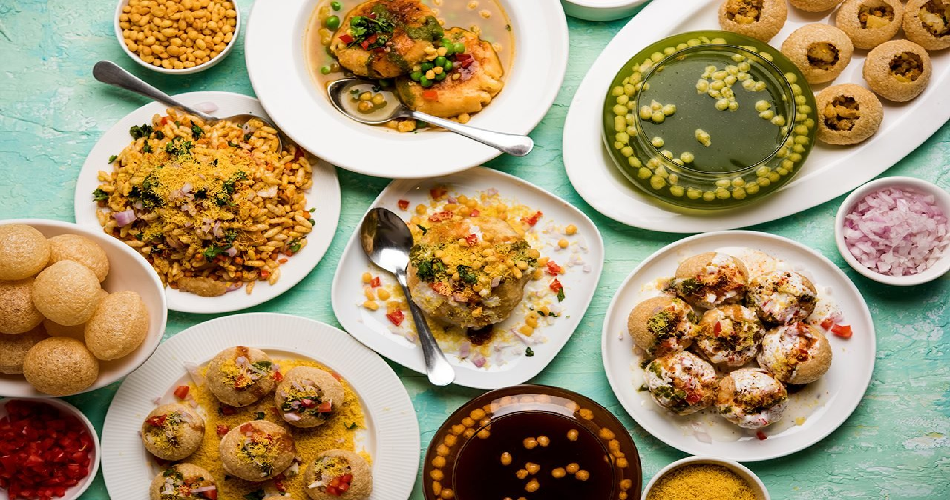
10. Dahi Puri / Gup Chup (Pani Puri) & Other Street‑food Chaats
- Street‑food staples: crispy puris filled with potato/chickpea mix + chutneys + yoghurt (in case of Dahi Puri), or tangy water and potato for Pani Puri / Gup Chup — a burst of sweet, tangy, spicy flavours.
- These dishes are versatile: good for light snacks, evening bites, or chaat‑hungry moments while walking city lanes, markets or temple areas.
- Tip: Go for stalls that look busy (hygiene + turnover = fresh puris). Best enjoyed fresh; avoid if puris are soggy or sitting long.
Tips for New Tourists Visiting Amravati
- Mix vegetarian & non‑veg: Amravati offers both — from bhakri‑based rural dishes to fiery meat curries. Try a few of each to get the full flavour spectrum.
- Street‑food is the soul: Some of the best dishes — like Gila Vada, Sambhar Vadi, Aloo Bonda — are from street stalls, not fancy restaurants. Don’t skip the chaat stalls & morning stalls for breakfast.
- Spice‑tolerance helps: Many dishes — especially meat curries and misal — are spicy. If you’re not used to heavy spice, ask for “mild” (if stall allows) or eat with chai/curd.
- Try local breads & staples: Don’t miss out on local breads like Bhakri (jowar/bajra) and traditional combos like Zunka‑Bhakri — they give a sense of regional food culture beyond just snacks.
- Timing matters: Early morning for breakfasts (Poha, Misal Pav), mid‑day for meals, evenings for street‑food & snacks (Vada, Bonda, Chaat). Popular stalls get busy — plan accordingly.