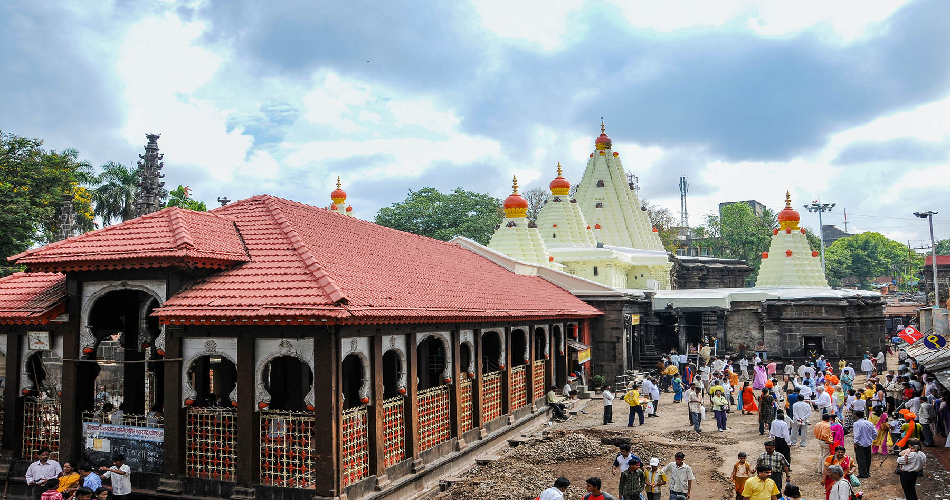
Kolhapur offers a beautiful mix of spiritual heritage, regal history, serene landscapes and cultural vibrancy. Below is a detailed guide to its key attractions, what you can do there, and travel‑tips to help you make the most of your visit.
1. Mahalaxmi Temple (Ambabai Temple)
- Significance: It is considered the spiritual heart of Kolhapur.
- Location: Situated near the banks of the Panchganga River.
- History: The temple is dedicated to Goddess Mahalaxmi, the goddess of wealth and prosperity.
- Architecture: It has beautiful carvings, a vibrant idol of the goddess, and is an excellent example of traditional Marathi temple architecture.
- Activities:
- Perform darshan (worship).
- Participate in special pujas, including the “Abhishek” ceremony.
- Visit the surrounding markets for Kolhapuri chappals, handicrafts, and local souvenirs.
- Best Time to Visit: Morning hours are the best, especially to avoid large crowds.
2. Rankala Lake
- Significance: A peaceful and scenic lake, ideal for relaxation and evening outings.
- Location: Situated in the heart of the city, near the Mahalaxmi Temple.
- Activities:
- Boating: Enjoy a boat ride on the lake.
- Photography: A perfect spot for capturing beautiful sunsets and lake-side views.
- Leisure Walks: Stroll along the lakeside, especially during the cooler evening hours.
- Street Food: Enjoy local snacks at food stalls around the lake.
- Best Time to Visit: Early mornings for a peaceful experience or evenings for sunset views.
- Secret Tip: Try to visit during sunset to get the most scenic and calm atmosphere.
3. Panhala Fort
- Significance: A historic hill fort located on the Sahyadri mountain range.
- Location: About 20 km from Kolhapur city.
- History: Panhala Fort has a rich history and was a stronghold during the Maratha Empire, particularly used by the great Maratha king, Chhatrapati Shivaji.
- Activities:
- Exploring Fort Ruins: Walk through ancient fort walls, gateways, and secret tunnels.
- Photography: Ideal spot for panoramic views of the surrounding hills and valleys.
- History Walk: Learn about the historical significance of the fort.
- Best Time to Visit: Winter months (October–March) for a comfortable experience.
- Secret Tip: Wear comfortable shoes and carry water as the fort requires walking uphill.
4. Shalini Palace / New Palace (and Museum)
- Significance: The palace showcases the royal heritage of Kolhapur.
- Location: Situated near Rankala Lake.
- History: Built in the 19th century, the palace was the residence of the Bhonsle dynasty.
- Architecture: The palace features a beautiful combination of royal architecture, with intricate details and artifacts from the past.
- Activities:
- Explore the museum inside the palace, which displays royal artifacts, old weapons, and paintings.
- Walk around the palace gardens and nearby lakeside.
- Photography and exploration of the historical significance of the place.
- Best Time to Visit: Best visited during the cooler months, especially in the mornings when the weather is pleasant.
- Secret Tip: Check the local timings as the museum may close during midday. It’s less crowded in the mornings.
5. Jyotiba Temple (and Other Temples like Kopeshwar)
- Significance: Jyotiba Temple is a major religious site for Hindus, especially those from the local region.
- Location: Located atop a hill, around 15 km from Kolhapur city.
- History: The temple is dedicated to the Hindu deity Jyotiba, who is believed to be the combined incarnation of the gods Brahma, Vishnu, and Shiva.
- Activities:
- Religious Pilgrimage: Offer prayers and take part in rituals.
- Temple Tours: Visit other nearby temples, including Kopeshwar Temple, which is known for its stunning architecture and carvings.
- Hiking: The hike to the Jyotiba temple provides scenic views of the surrounding hills and is a great spiritual experience.
- Best Time to Visit: Early mornings or late afternoons to avoid midday heat.
- Secret Tip: Visit during the Navaratri festival for a more vibrant and festive atmosphere.
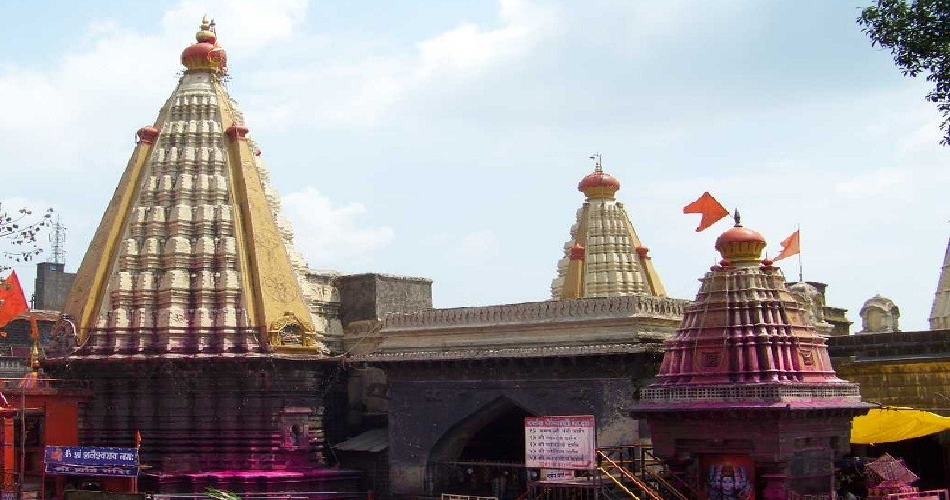
Table: Major Places in Kolhapur — Popularity, Visit Time, Fees, etc.
| Place | Relative Popularity* | Avg. Time Spent Visiting | Entry / Fee / Charge† | Activities & Things to Do |
|---|---|---|---|---|
| Mahalaxmi Temple | Very High (top attraction) | 1–2 hours (depending on darshan & rituals) | No mandatory entry fee; Abhishek puja ~ ₹751 for faster darshan (optional) | • Temple darshan & worship • Photography outside (inside is sacred) • Explore nearby local markets & street‑food after darshan |
| Rankala Lake | High — popular leisure spot | ~1–2 hours (often evening) | Entry: generally free (public lake area) — boating/amenities may cost extra depending on vendor | • Boating • Evening strolls along lakeside • Enjoy sunset views • Street‑food & local snacks at lake‑side stalls • Photo‑ops, casual outing |
| Panhala Fort | Medium‑High (heritage & hill‑fort lovers) | 2–4 hours (depending on how much you explore) | Entry fee minimal (varies) — local charges for vehicle / guide (if hired) | • Explore ancient fort walls, gateways & tunnels • Panoramic view of Sahyadri hills & landscape • Historical walk, photos, hill‑cool breeze escape |
| Shalini Palace / New Palace & Museum | Medium (heritage + architecture interest) | ~1–2 hours inside palace/museum + stroll around lake/grounds | Entry: may have token/museum fee (check locally) | • See royal architecture, artifacts, heritage interiors • Walk in palace gardens & lakeside (near Rankala) • Photography (ideal for heritage lovers) |
| Jyotiba / Other Temples & Local Temples | Good (pilgrims + local visitors) | 1–2 hours (depending on visit type) | Usually no / minimal fee | • Pilgrimage / darshan • Hill‑view (for temple on hill) • Local culture immersion / rituals |
* “Popularity” based on traveler reviews, tourism‑site listings. \† Fees and timings can vary — always check locally before visiting (especially for boat rides, special darshan, palace/museum fees).
Best Time to Visit & Seasonality
- Mahalaxmi Temple: Best during October to February — pleasant weather (15–25 °C), ideal for temple visit and exploring nearby markets.
- Rankala Lake: Evening hours any time of year; overall October–March good for comfortable weather and sunset‑views.
- Panhala Fort: Early mornings or late afternoons in winter / post‑monsoon months — comfortable climate + scenic views; avoid peak summer midday sun.
- Shalini Palace / New Palace: Any time — but October–March preferred for comfortable surroundings and leisurely exploring.
- Temples / Hill‑temples (Jyotiba etc.): Cooler months October–February are best, especially if there is climbing or travel up hills.
Overall, October to March is widely regarded as the best visiting period for Kolhapur sightseeing.
Activities & What to Do at Each Place (Visitor Tips & Highlights)
- At Mahalaxmi Temple: Perform darshan, participate in morning rituals; explore local markets around the temple for Kolhapuri chappals, local snacks and souvenirs.
- At Rankala Lake: Boating, evening strolls by the lakeside, enjoy local street‑food at lake‑side stalls, capture sunset and lakeside photos, relax with family/friends.
- At Panhala Fort: Walk through fort ruins, gateways and tunnels; enjoy panoramic views of hills; ideal for history‑buffs or photography enthusiasts.
- At Shalini Palace / Museum: Admire royal architecture, old‑world heritage interiors; stroll in palace gardens; combine with a visit to Rankala for lakeside + heritage combo.
- At Temples & Hill‑temples (like Jyotiba): Spiritual visit, darshan, enjoy hill‑views, local culture and calm surroundings away from city bustle.
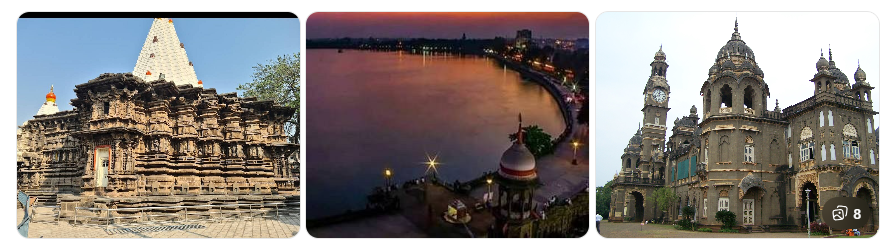
Image Gallery of Kolhapur
Youtube Video of Kolhapur
Secret Tips for Tourists & Visitors
- Visit Mahalaxmi Temple early morning (~5 AM) to avoid crowds and get quicker darshan. (Optional “Abhishek puja” helps skip long lines.)
- For Rankala Lake, aim for sunset time — magical lake + sunset + cool breeze + local snacks = perfect combo.
- While exploring Panhala Fort, carry water & sun protection (hat/sunscreen) — parts are exposed, and some walking is involved.
- At Shalini Palace / Museum, check local opening hours (some parts may close midday) — plan accordingly.
- For temple visits on hills (Jyotiba etc.), wear comfortable shoes; morning or late afternoon slots give pleasant weather and avoid heat.
- Always carry a small amount of cash — some local stalls, boat vendors, or small temples may not accept cards.
- Try local cuisine and street‑food — Kolhapur is famous for its spicy and tasty local dishes; a lakeside evening + local snacks gives real flavor of the city.