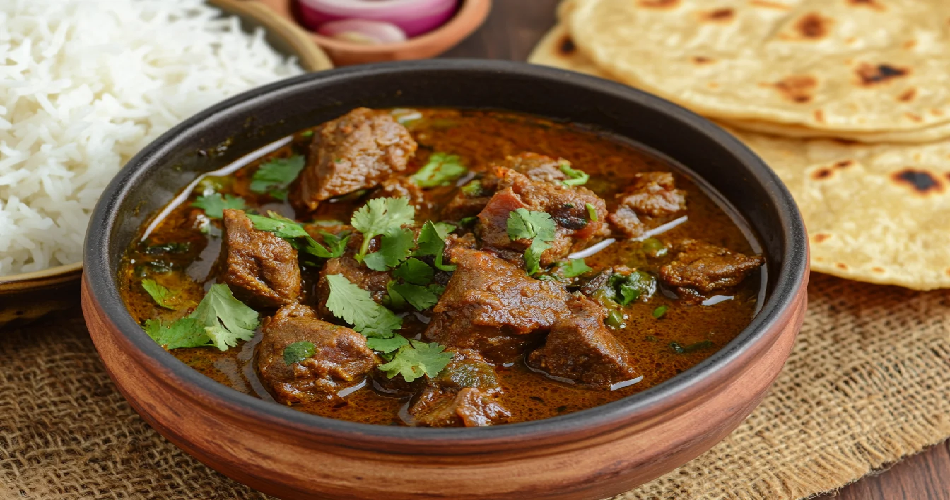
If you visit Kolhapur — a city in Maharashtra known for its bold, flavour‑packed “Kolhapuri” cuisine — there are some dishes and foods you simply must try. Below is a “tourist‑ready” guide to the Top 10 foods to try in Kolhapur, with explanations, what to expect, and when (or how) to eat them.
1. Tambda Rassa (Red Curry) & Pandhra Rassa (White Curry)
- These are two signature gravies of Kolhapur cuisine: “Tambda Rassa” is a fiery red, spicy curry — typically served with mutton — rich in local spices and chillies.
- In contrast, “Pandhra Rassa” is milder: coconut‑milk or cashew‑based white curry — creamy, aromatic, and a good balance to the heat of Tambda.
- Together they make a classic part of a Kolhapuri non‑veg meal (often served with rice or traditional bread like bhakri).
2. Kolhapuri Misal Pav
- A fiery, spicy breakfast or snack dish — made with sprouted beans (or matki), lentils or pulses, topped with farsan (fried crunchy mix), onions, coriander and often a very spicy “kat/rassa” (gravy). Served with pav (bread) or slices of pav.
- It’s one of the most iconic foods of Kolhapur — a must‑try for any new visitor wanting a true taste of local street‑food culture.
- Tip: If you’re not used to spice, ask for “less rassa/kat” or try with curd to mellow down the heat.
3. Pandhara Rassa (White Curry / Gravy)
- “Pandhara” means white — this curry usually uses coconut (or coconut milk) along with meat stock, giving it a milder, creamier flavour compared to the fiery Tambda Rassa.
- It balances out the heat — many locals enjoy a bowl of Pandhara Rassa along with Tambda Rassa during a meal.
- Great for those who prefer flavour over intense spice, and pairs well with flatbread or rice.
4. Kolhapuri Mutton Dry / Mutton Sukka
- Mutton (goat) cooked in a dry, richly spiced style with local “Kolhapuri masala” — intense, aromatic, and deeply flavorful.
- Often eaten with jowar (sorghum) bhakri or chapati — a classic rustic‑Maharashtrian pairing.
- A good option if you want meat and local flavour without a heavy curry gravy but still with all the spicy punch.
5. Bhakri with Thecha (or Garlic/Chilli Chutney)
- Bhakri is a traditional flatbread (often made of jowar / sorghum), staple in Kolhapur’s everyday meals.
- It’s often paired with a spicy condiment known as “Thecha” — a fiery mix of chillies, garlic, peanuts/spices — or with spicy garlic‑chilli chutney.
- A great, simple, rustic meal — especially if you want vegetarian or lighter local fare, and to experience a traditional side of Kolhapuri cuisine.
6. Bharli Vangi (Stuffed Brinjal Curry) / Pithla-Bhakri (Traditional Vegetarian Dishes)
- For vegetarians, Kolhapur offers hearty options: Bharli Vangi — brinjals stuffed with masala and cooked in traditional style.
- Pithla-Bhakri — a rustic dish of spicy gram‑flour curry (pithla) eaten with bhakri (flatbread) — often accompanied by raw onions and chutney.
- These dishes give a good feel of local home‑style cooking — simple yet flavourful, grounding the experience beyond just the spicy meat dishes.
7. Kolhapuri Bhel (Street‑food Snack)
- A local variation of bhel/puffed‑rice snack: puffed rice + farsan + onions/tomatoes + tamarind/chutney + local spices — often spicier than the typical bhel elsewhere.
- Great as a light snack — ideal if you are strolling in local markets, near lakesides, or exploring the city’s streets.
8. Kolhapuri Chicken Curry / Chicken Sukka
- For non‑veg lovers: aromatic chicken curry or dry chicken (chicken sukka) cooked with local spices/masala — often as fiery and flavourful as the mutton versions.
- Best paired with bhakri or chapati — good if you prefer poultry over red meat, but still want authentic Kolhapuri taste.
9. Street‑food & Snack‑style Treats: Batata Vada (Kolhapur‑style) / Fast Eats
- Batata vada — deep‑fried potato fritters — is common across Maharashtra, but in Kolhapur it’s adapted to local taste, served often with chutneys, pav or bread slices.
- Good for a quick snack between meals, or while moving around the city — especially good if you prefer something light.
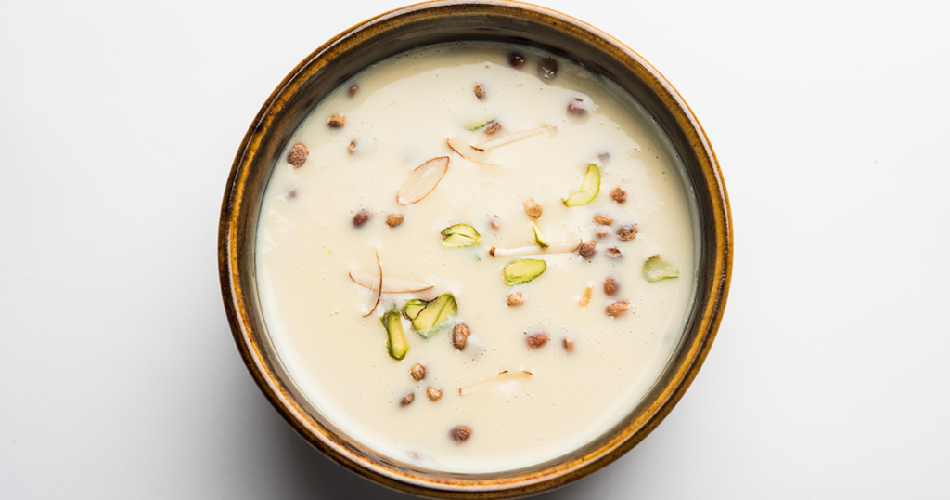
10. Traditional Sweets / Desserts: Basundi, Shrikhand (or local style), & Other Sweets
- After all the spicy food, it’s good to end with something sweet: Basundi — thickened milk sweetened with sugar/nuts/spices — is a popular dessert.
- Sometimes you may find Shrikhand or jaggery‑based yogurt desserts in local eateries — a soothing contrast to spicy meals.
- Desserts are particularly enjoyable after heavy meat‑based meals or if you want to cool down your palate.
How to Eat Like a Tourist — Tips & Practical Advice
| Tip / When & How | What to Do |
|---|---|
| Meal time to try Misal Pav | Breakfast or mid‑morning — many roadside stalls and local “khau gallis” serve it early. |
| For full local flavour (non‑veg) | Try a full mutton thali with Tambda Rassa + Pandhra Rassa + Mutton Dry/Sukka + Bhakri or rice. |
| Vegetarian meal option | Go for Bhakri + Thecha or Bhakri + Pithla; or try Bharli Vangi curry if available. |
| Street‑food/snack run | Evening or late afternoon — try Batata Vada, Kolhapuri Bhel, quick snacks with tea. |
| Dessert after lunch/dinner | Wrap up heavy, spicy meal with Basundi or shrikhand‑style dessert for balance. |
| Spice alert for non‑locals | Kolhapuri food tends to be bold/spicy — if you have low spice tolerance, ask for “less spice / medium spice.” |
What Makes Kolhapuri Food Special
- The cuisine is defined by local spice blends — the famous “Kolhapuri masala” — and use of chillies, garlic, coconut etc., giving dishes a unique, robust flavour profile.
- Use of traditional flatbreads like bhakri or jowar bhakri — often paired with curries — gives an authentic rustic‑Maharashtrian touch.
- The diversity: from fiery non‑veg to hearty vegetarian meals to light snacks and sweets — there’s something for every kind of eater.
- A meal in Kolhapur often becomes a cultural experience: local spices, traditional breads, home‑style cooking — a gateway into the local lifestyle and history.