Here’s a complete guide to local transportation & travel logistics for Sangli (Maharashtra, India) — covering how you can get around within the city/district and how to reach it. Also attached are some tips for tourists.
Transport Modes in Sangli & Connectivity Overview
| Mode / Transport Type | Availability in Sangli | Details & Remarks |
|---|---|---|
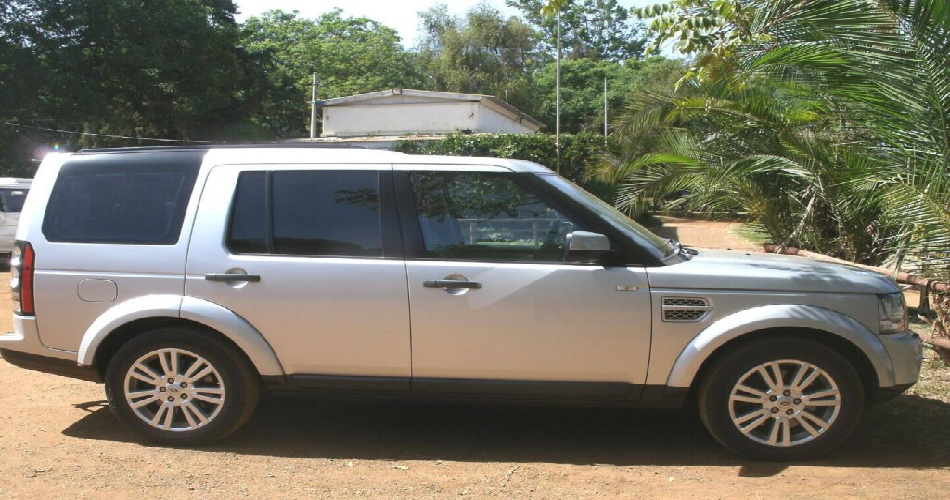
| Car / Taxi / Auto‑Rickshaw | Yes | Auto‑rickshaw services and local taxi/auto operators are available. |
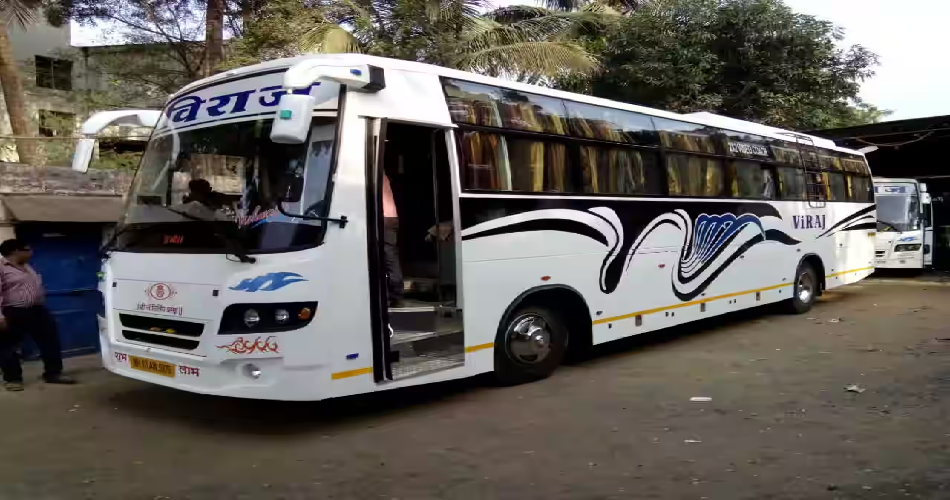
| Local Bus (City / Urban) | Yes — by Sangli-Miraj-Kupwad City Transport | Connects different parts of Sangli city, and neighbouring urban areas like Miraj and Kupwad. Affordable and useful for intra‑city travel. |
| Intercity / State‑run Bus | Yes — via Maharashtra State Road Transport Corporation (MSRTC) + private buses | There is a main bus stand/ depot — Sangli Bus Stand (Patrakar Nagar) — from where buses operate to Pune, Kolhapur, Mumbai, Solapur, and many towns/villages. |
| Rail | Yes — via Sangli Railway Station (SLI) and nearby Miraj Junction (MRJ) | Sangli Railway Station handles local/regional trains. Miraj Junction (≈ 6–7 km from Sangli) is a larger railway hub for express & long‑distance trains. |
| Metro / Tram / Rapid Transit | No | There is no metro or tram system in Sangli. |
| Road / Car‑driving | Yes — good road connectivity via national as well as state highways | Sangli lies on well‑connected road routes; used for private car travel, taxis, or intercity bus travel. |
Note: As of the latest available information, Sangli does not have a metro or tram system — locals depend on buses, shared transport (autorickshaw/taxi), or rail for longer distances.
How to Reach Sangli (Intercity / Long‑Distance)
| Mode | Description |
|---|---|
| By Rail | You can travel to Sangli Railway Station (SLI) directly via some trains. For better connectivity, you may use Miraj Junction (MRJ), located ~ 6 km from Sangli, which offers more frequent and major train services. |
| By Bus (MSRTC / Private) | There are regular bus services to/from major cities — e.g., Pune, Kolhapur, Mumbai, Solapur, etc. The main bus depot is Sangli Bus Stand (Patrakar Nagar). |
| By Car / Taxi / Road Trips | Sangli is connected via highways to cities like Pune (≈ 230–240 km), Kolhapur, Solapur, and Mumbai — making road trips by car/taxi feasible. |
| By Air | Sangli does not have its own airport. The nearest major airport is Pune International Airport — around 240 km from Sangli — which serves domestic and international flights. |
Local Transit & Commuting Within Sangli
- City bus services by Sangli‑Miraj‑Kupwad City Transport cover various parts of the urban area and are often the primary mode of public transport locally.
- Auto‑rickshaws and taxis are available for flexible and door‑to‑door travel — useful if you are carrying luggage or going off‑route.
- For short distances (within city or nearby areas), these modes are often faster than waiting for a bus.
No metro/tram means you rely on these traditional modes; so plan for a bit more time during peak hours.
Tourism & Practical Tips for Visitors
- If you are coming from a major city (e.g. Pune / Mumbai), train + local taxi/autorickshaw or bus direct to Sangli are often the simplest options.
- If arriving via air (to Pune), plan a road/bus/taxi journey from Pune to Sangli (~240 km).
- For local sightseeing or hopping across Sangli‑Miraj‑Kupwad, use city buses or autorickshaws — they are economical and adequate for most needs.
- If traveling with luggage or group, a private taxi or car rental may be more comfortable than public buses.
What Sangli Offers & What to Expect
- Sangli is well‑connected by road and rail — buses and trains link it to major cities, towns and villages across Maharashtra.
- There is no metro or tram, but city‑bus + auto/taxi + rail + intercity buses provide decent mobility.
- For travellers and tourists: you can comfortably reach Sangli and move around using a combination of rail, bus, taxi/auto depending on your convenience, budget, and luggage.
- For local commuting — expect simplicity: city buses and auto‑rickshaws — but plan for time during busy hours.