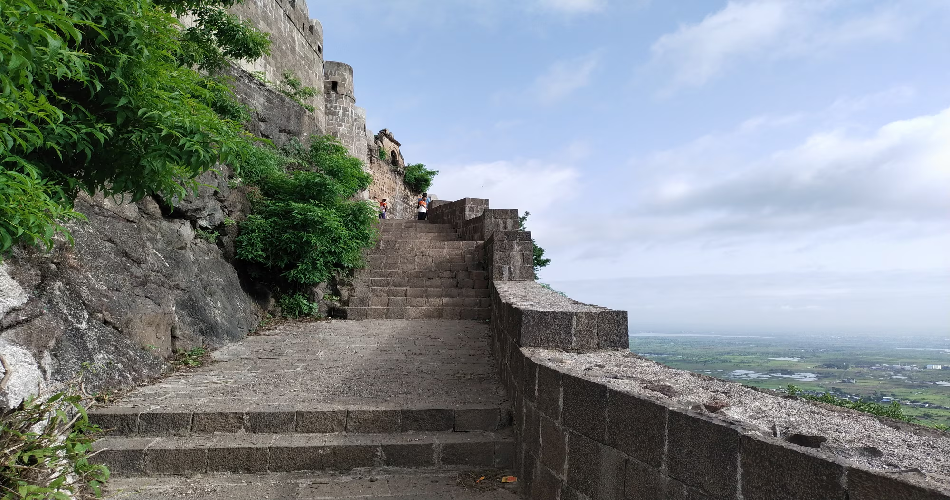
Here’s an overview of major attractions in Dhule (Maharashtra, India), along with details — popularity, activities, best times to visit, and some handy tips for tourists. Dhule district offers a mix of historical forts, natural beauty, sanctuaries, temples, and cultural sites, giving visitors a varied experience.
Table of Key Places in Dhule
| Attraction Place | Popularity* | Avg. Time Spent (approx)** | Entry Fee (if known) | Activities / Things to Do | Best Time to Visit | Secret / Insider Tips for Visitors |
|---|---|---|---|---|---|---|
| Laling Fort | High — popular among history buffs & trekkers | 2–3 hours | No formal fee (public fort) | Trekking up the hill; exploring fort ruins; panoramic views of Dhule; visit Lilitā Mata temple & rock‑cut cisterns. | Post‑monsoon to winter (Oct–Feb) — pleasant weather & greenery | Start early morning to avoid heat; wear sturdy shoes for rocky paths; carry water and light snacks. |
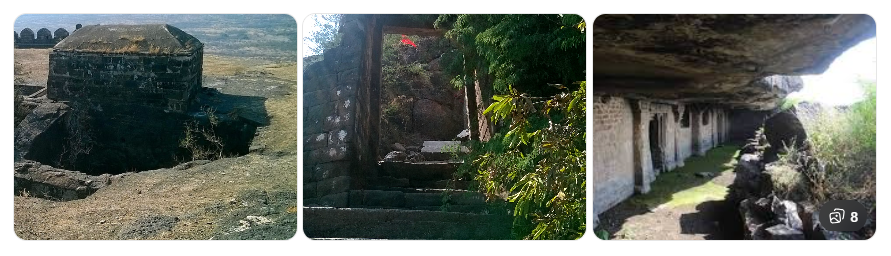
| Songir Fort | Moderate‑High — village fort with historical significance | ~1.5–2 hours | Usually no charge (ruin/heritage site) | Short climb (about 20 mins) to fort top; see old water well, entrance‑door frame; enjoy views of surrounding countryside. | Cooler months (Nov–Feb) or early monsoon (Jul‑Aug) for nice greenery | Visit early to avoid midday sun; local villagers can guide — good to carry some small currency or water as facilities are minimal. |
| Bhamer Fort (and Caves) | Popular among adventure and history seekers | 3–4 hours (or more if exploring caves) | Likely free or minimal | Explore fort ruins; visit ancient caves; enjoy scenic hill views, photography, light trekking. | Post‑monsoon to winter (Sep–Feb) — for comfortable trekking and good greenery | Wear good trekking shoes; carry torch/flashlight if entering caves; check local advice about cave safety. |
| Aner Dam Wildlife Sanctuary | High among nature/wildlife lovers | Half-day to full-day (~4–6 hours) | Entry usually free or minimal (forest‑managed) | Wildlife and bird watching, nature walks, photography, enjoying forest and river scenery. | Winter or post‑monsoon (Oct–Feb) — comfortable climate, greenery | Go early morning or late afternoon for wildlife spotting; wear light green/earth‑tone clothes; take binoculars & respect silence — avoid loud noises. |
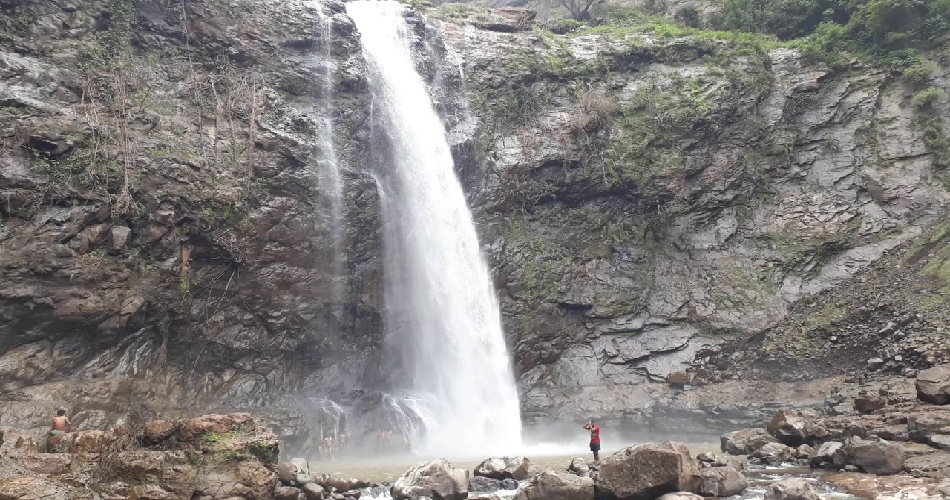
| Alaldari Waterfall (Waterfall / Seasonal Spot) | Seasonal — very popular during monsoon rains | 2–3 hours | Usually free (natural site) | Enjoy waterfall, picnic, nature photography, relaxing amidst greenery — good for monsoon trips. | Monsoon / Just after monsoon (July–September) for maximum flow | Wear sandals/swim shoes if you plan to get near water; check recent rainfall or safety (slippery rocks); avoid heavy rain days for safety. |
| Rajwade Sanshodhan Mandal (Research Library / Museum) | Moderate — especially for history / culture fans | 1–2 hours | Likely minimal or free (as public institution) | View rare historic manuscripts, inscriptions, artifacts; understand local history and heritage; good for researchers or history‑loving travellers. | Anytime — city‑based indoor location (avoid monsoon or heavy rains outside) | Check opening hours in advance; best to call locally; maintain silence/respect archive norms; carry ID if required for access. |
* “Popularity” — based on relative listing frequency in tourist guides & historical importance.
** “Avg. Time Spent” — approximate, depends on how much you explore (fort, trekking, picnic, etc.).
Activities & What You Can Do
- Trekking & Hill Fort Exploration — At Laling Fort, Songir Fort, Bhamer Fort. Great for history lovers, adventure seekers, nature photography.
- Nature & Wildlife Watching — At Aner Dam Sanctuary: see animals (e.g. deer, birds), enjoy forest ambience, bird‑watching, peaceful walks.
- Waterfall / Monsoon Getaway — Visit Alaldari Waterfall during monsoon season for lush greenery, waterfall view, refreshing break, picnic, and photos.
- Cultural & Historical Immersion — At Rajwade Sanshodhan Mandal for heritage manuscripts; in villages around forts & temples to experience local culture and rural lifestyle.
Best Time / Season to Visit Dhule Attractions
- Fort/Hill Sites (Laling, Songir, Bhamer): Post‑monsoon to winter (October to February) — moderate weather, greenery, comfortable for trekking.
- Waterfalls (Alaldari): Monsoon season (July–September) — natural waterfalls at peak, lush surroundings.
- Wildlife Sanctuary (Aner Dam): Post‑monsoon to winter (October–February) — comfortable weather for forest walks, wildlife sightings.
- Museums/City‑based Sites: Any time of year — but avoid heavy monsoon rains for easier travel.
Nearest Bus Stop / Nearest Railway / Nearest Metro
Note: Dhule region does not have a metro system. Public transport (bus/rail) depends on city & town connections. For main attractions:
- For forts and city‑based places (like Laling Fort, Rajwade Mandal) — you can reach Dhule city by bus/road (on NH), then local transport/taxi to base village.
- For Aner Dam Wildlife Sanctuary — nearest major rail‑head ~ 71 km (Jalgaon Railway Station) as per sanctuary info.
- For villages & remote forts (e.g. Songir) — buses or local roads from Dhule city; last‑mile transport may be limited — best to hire local taxi or share rides.
Image Gallery of Dhule
YouTube Video of Dhule
Tourist & Visitor Tips (Secrets / Best Practices)
- Reach forts early morning to avoid heat and explore before midday; carry water and wear sturdy footwear.
- During monsoon, for waterfalls — check local weather and safety (rocks slippery, rainfall status) before visiting.
- For forest / sanctuary visits — wear earth‑tone clothes, carry binoculars or camera, maintain silence for better wildlife spotting.
- If visiting heritage archives (like Rajwade Mandal), call ahead — such places may have limited hours or need prior permission.
- Combine nearby attractions in a single trip (e.g. fort + temple + natural spot) to make a full-day itinerary.